
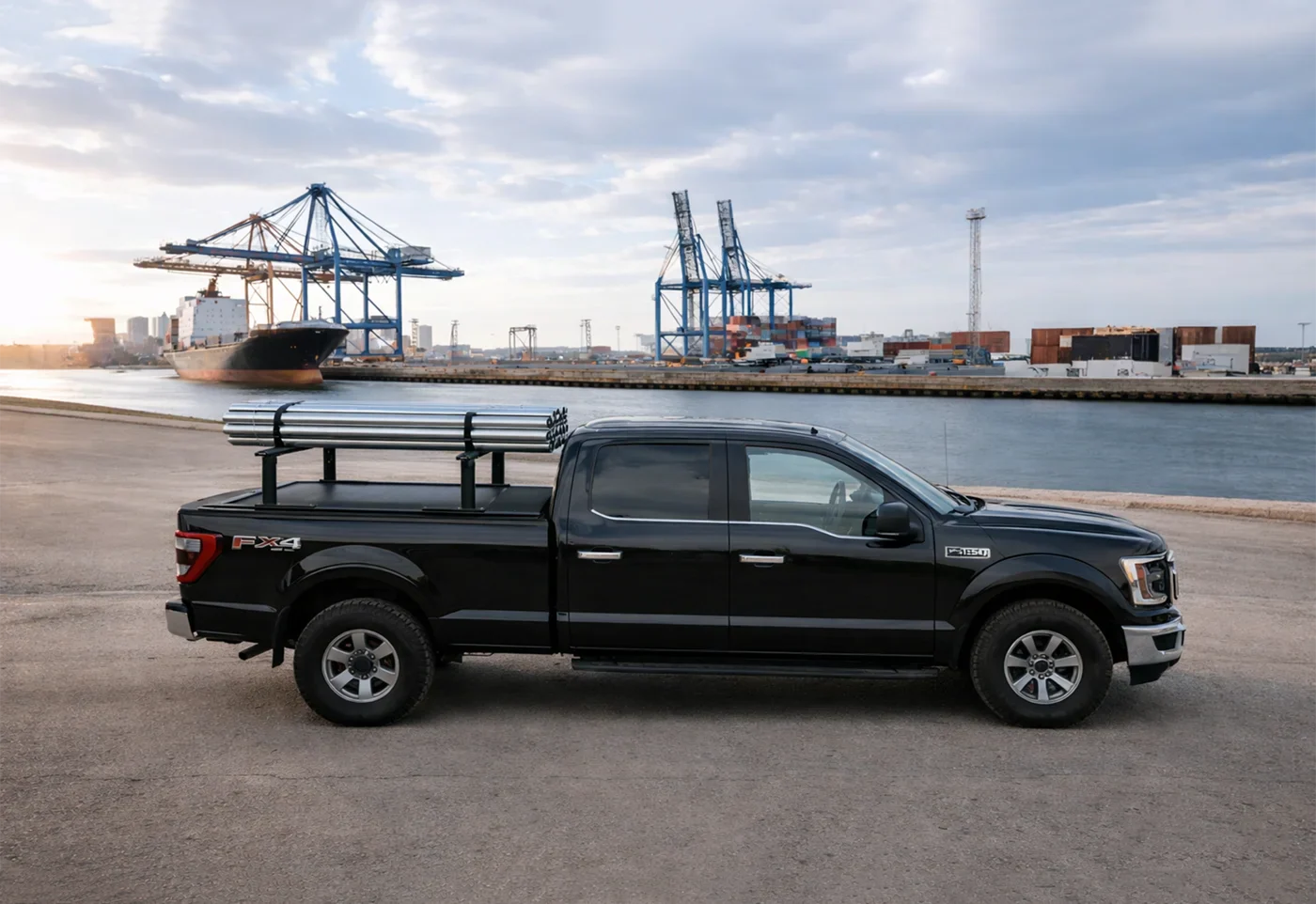
A bed rack is easy to judge by the numbers. People see load capacity, height range, and material, and they assume that tells the whole story. But for most truck owners, the real question is much simpler. Does it actually make the truck easier to use on a normal week?
That is where this kind of setup starts to make sense. A low profile, tonneau cover friendly bed rack is not only for extreme builds or weekend show trucks. It is for the owner who uses a pickup the way pickups are actually used in America: for work during the week, for hauling long or awkward gear when needed, and for weekend plans that do not always fit inside a covered bed. The strongest value is not in a spec sheet. It is in the way it helps one truck handle more of everyday life without becoming bulky, awkward, or overbuilt.
1. The weekday work truck that still needs to stay covered
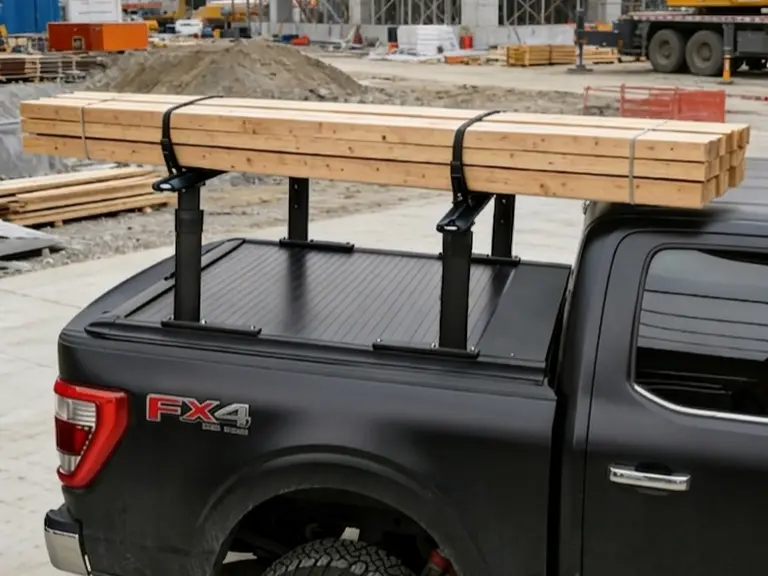
The first real use case is probably the most common one. A truck owner uses the pickup for work, but still wants to keep the bed protected with a tonneau cover. That owner might carry ladders, conduit, lumber, step stools, jobsite bins, or other long items that do not fit neatly under the cover. At the same time, the smaller tools and supplies in the bed still need protection from weather, dust, and daily mess.
Without a bed rack, that setup usually turns into a compromise. Either the owner gives up the cover and loses the cleaner, more protected bed space, or everything gets piled inside and access becomes slower and more frustrating. A bed rack solves that problem in a much more practical way. Longer cargo rides up top. The bed below stays usable. The truck keeps doing its job without forcing the owner to choose between covered storage and upper hauling space.
What makes this especially useful is that it matches the way many pickup owners actually work. The truck is not only transportation. It is part of the workflow. When the setup is right, the day runs smoother. You spend less time shifting gear around, less time figuring out what can fit where, and less time improvising every time a different job comes up. For a contractor, installer, handyman, or anyone who treats the truck like a daily work partner, that kind of efficiency matters more than flashy styling ever will.
2. The daily driver that needs more function without looking overbuilt
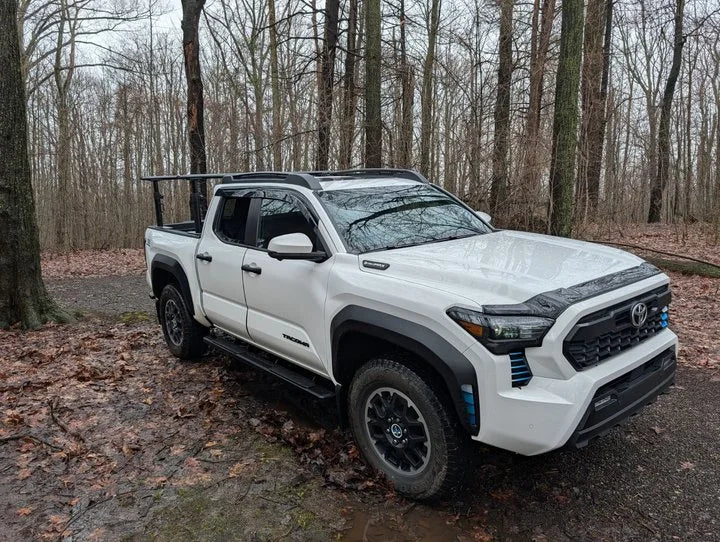
Not every truck owner wants a tall overland rack or a heavy duty setup that changes the whole look of the vehicle. A lot of people drive an F150, Ram, Silverado, or Sierra every day. They commute in it. They stop for supplies. They help friends move bigger items. They pick up tools after work. They want more function, but they do not want the truck to feel like a permanent project.
That is where a lower, cleaner rack becomes much more appealing. It adds useful carrying space without making the truck look oversized or making daily life harder. It still fits the look of a truck that goes to the office, the warehouse, the supply store, or the grocery store during the same week. It also feels more approachable for owners who want something practical, not something that turns into a major rebuild.
This matters more than people often admit. The best truck upgrades are usually the ones that blend into life so naturally that you stop thinking about them. You just notice that hauling a few boards is easier. Carrying a ladder no longer means filling the whole bed. Bringing home a rooftop box, a couple of pipes, or an extra load of gear no longer turns into a puzzle. When a bed rack is adjustable, easy to install, and low profile enough to live with every day, it becomes the kind of product people keep using because it never asks too much from them.
3. The work to weekend truck that needs one setup for both
The third use case is the truck owner whose week does not stay in one lane. Monday through Friday might mean tools, totes, jobsite supplies, or materials. Then Saturday shows up and the same truck is suddenly carrying camping gear, coolers, fishing equipment, recovery boards, or travel bags. That shift is exactly why so many owners start looking for a setup that does more than one thing well.
A good bed rack helps bridge that gap. It does not force the truck into a work only identity or a weekend only identity. It supports both. The bed can stay more organized underneath, while the upper space handles longer or bulkier gear when plans change. That means the truck does not need to be constantly reconfigured just because life changes from weekday to weekend. One setup can stay in place and still make sense across both routines.
That flexibility is what gives the product real value. Many truck owners are not trying to build the most extreme truck in the parking lot. They are trying to make one truck work better across the things they already do. A low profile rack that works with a covered bed, installs without drilling, and handles both jobsite and outdoor use fits that goal extremely well. It adds utility without demanding a bigger commitment than most owners actually want.
Why these three use cases matter
These three scenarios explain the real appeal of a bed rack better than any long list of specs can. It helps the truck owner who needs to work and still keep the bed covered. It helps the daily driver who wants more hauling flexibility without a bulky build. And it helps the owner whose truck needs to move naturally from jobsite duty to weekend use without constant rearranging.
That is why a bed rack works for everyday truck owners. Not because it sounds impressive on paper, but because it solves ordinary problems in a way that feels simple, useful, and worth keeping. The best truck accessories do not just add parts. They remove friction. And for a lot of owners, that is exactly what makes a bed rack earn its place.

Leave a comment
This site is protected by hCaptcha and the hCaptcha Privacy Policy and Terms of Service apply.